
The Case for Killing C-Span
Or, at least sharing a loving spoonful of Ctrl+Alt+Delete.

I never thought I’d hear myself say it, but it may be time to put some serious restrictions on C-Span.
I’ve always been for more disclosure in government, more sunlight on the creeping mold of corruption.
Yet, I’m starting to second guess the sunlight 24/7 approach, as it applies to C-Span.
And once you learn why, this whole post is gonna sound a little victim-blamey. But stay with me.
C as in Context
C-Span was originally intended as a disinfectant to government decisions at a time in the 1970s when people were reeling from the corruption of the last-worst president we’ve ever had.
They felt that better laws would be made if the public could observe the lawmaking process.
It’s first broadcast on March 19th of 1979 was of the then-Tennessee Representative Al Gore speaking in the well of the House. Since then it has expanded in to several channels, like C-Span 2 and C-Span 3. As people have moved way from cable TV to their computers, C-Span has followed along.
In recent years it has struggled to survive in a media environment that is defined by cat-and-dog fights between politicians clipped in to 30 second reels. C-Span is not allowed tempt our attention with hyperbolic headline like “Watch Ted Cruz get Owned So Badly He Goes Crawling Back to Cancun.” But other people are happy to attach them.
Not a real headline, BTW. But you’ve seen things like it.
98% of C-Span’s budget comes from fees on cable subscribers —a group that is shrinking rapidly. And although they do well on platforms like YouTube and Facebook, that will never be enough to pay for all the staff and equipment it takes to present live lawmaking to the public.
The Student Has Become the Master
In the early days of C-Span House Speaker Tip O’Neill and then-minority leader Newt Gingrich fought over camera placement and lighting as they quickly realized the power of the live feed.
But it was only in recent years that we’ve seen the full damage potential of C-Span’s mis-use. Here are a couple examples. I bet you can think of more.
First, we’ve all seen those in-committee slug-fest clips between whatever two legislators or senators are trending this week. We love a nice petty comment, or the suggestion that two members are planning to throw down behind the cafeteria at lunch.
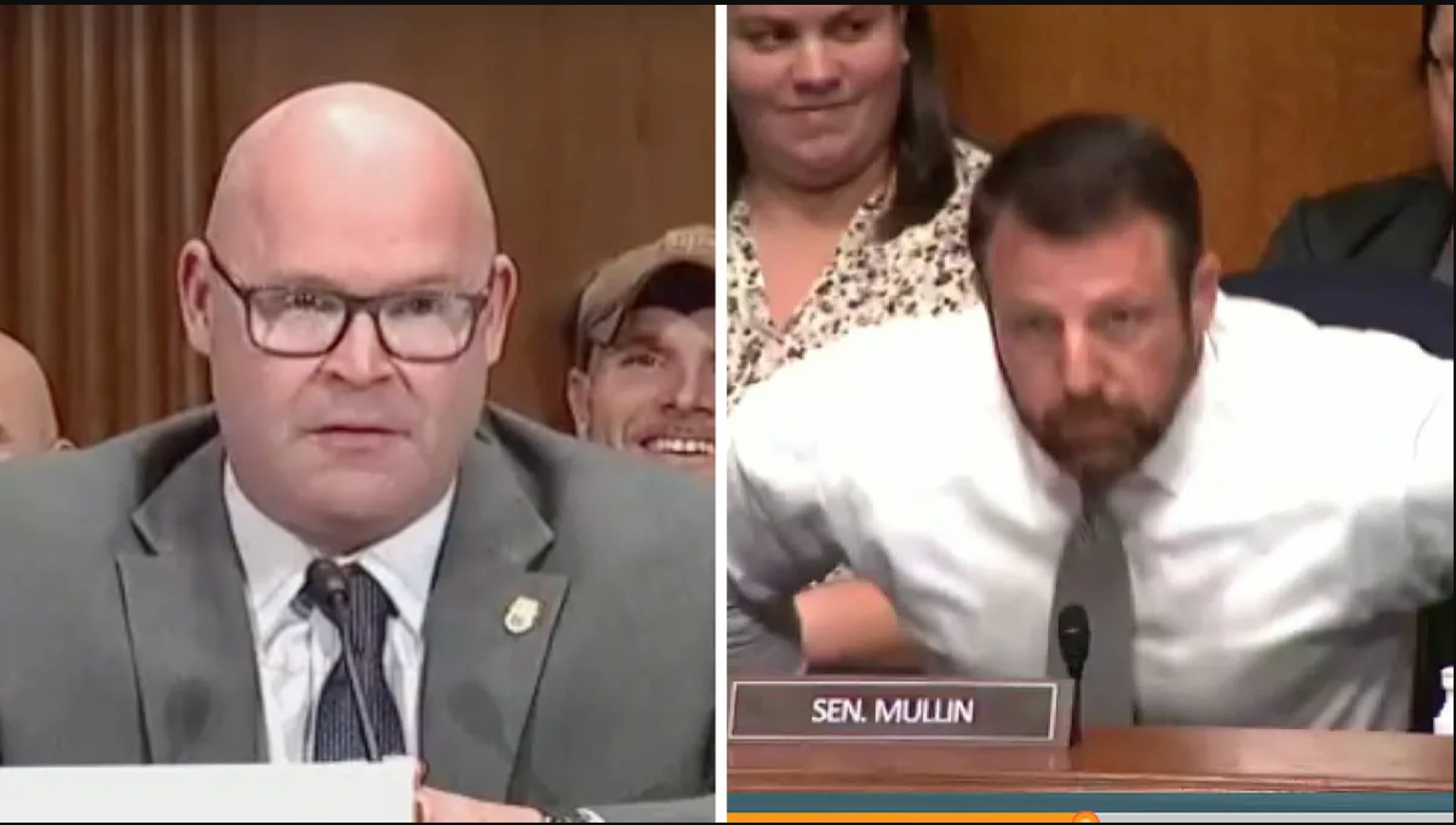
They are in our feeds because somebody put them there. Some congressional staffer, campaign consultant or advocacy group’s resident digital native trimmed those fights and had them up on five different social media platforms before they were an hour old.
Second, I know you’ve watched House and Senate members speaking on the floor to a mostly empty chamber.
There is no debate, as our founding fathers intended. There is no immediate reaction from those in opposition. There is no room for people in the process of lawmaking to be confronted by opposing arguments or share ideas.
It is theater, disguising as governing. And the hidden, corrupt conversations behind closed doors never went away.
In short, the same forces that sought to manipulate the process 50 years ago against the needs of the general public have found a way to completely undermine any benefit promised by live lawmaking.
This is the “victim-blamey” element that I mentioned above. We, the people who just wanted to keep an eye on the powerful, might need to lose some of that because we can’t stay away from the contorted, edited slop that causes so much harm.
Are we the victims, or did we ask for this?
So Why Do It at All?
I think we can make the argument that we have lost more than we gained over the last 40 years. We’ve increased the desire for lawmakers to preen and posture for the camera and decreased room for negotiation.
C-Span has become simply the feedstock of the social media Grendal, which rips apart the remaining fabric of our republic.
Now, don’t get me wrong. We need transparency in lawmaking. I’m not suggesting that we go back to the way it was.
But we need some new rules of the road. We need to starve the social media algorithms as much as we can when the raw material from our own government is so terribly misused.
Let the algorithms feed on the drama of celebrities or the Met Gala, but stay out of our halls of power.
What are some options?
While congressional committees and debate should remain open to the public, we need to think about withholding the video feed for 48 hours. The social media machine runs on immediacy and this step deprives it of that.
While I don’t think that this will put an end to the tailored rage bait that is designed to incite us, it does give actual reporters time to add context to committee actions.
Further, it may change how lawmakers interact in committee. They need some space to breath and talk to each other.
If they see there is less to be gained by grandstanding, perhaps they are more likely to tone it down a bit. I’m not saying this will create some kumbaya moment of hugs and folk songs. But it at least may remove one of the most toxic motivators of discord in the legislative process.
Similar to this, C-Span should only feed floor debate when members are actually on the floor. No more congressional soliloquies for the camera and an empty chamber.
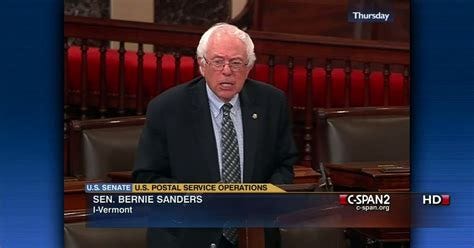
I’m no expert in the rule of the House and Senate. I’m sure this necessitates changes in the rules of debate and voting so that we re-prioritize the importance of live debate between members who are in the actual room together.
Finally, I’m thinking that Congress needs to limit the use of C-Span content that is out of context. Perhaps permission to use C-Span video needs to be conditioned on including at least 120 seconds of video.
That’s like a year in social media time.
I hear you. These ideas sound a little idealistic or naive. And that last zinger is probably impossible to police on C-Span’s meager budget.
But you see where I’m going here. A process of debate and lawmaking has been stripped of both context and human interaction. Most of that problem lies with the leaders in the House and Senate. But so much of what we see actually undermines any chance that lawmakers have of finding common ground.
This topic should be added to our list of post-Trump reforms.
The Arizona Angle
Arizona lawmakers are usually a few years behind influencer techniques. When I was in the legislature between 2014 and 2018, we were just figuring out how to turn around 2-minute videos explaining bits of the opaque budget process.
Now Arizona lawmakers are doing the slug-fest videos on multiple platforms. Almost every Democratic lawmaker I know has some video of them standing up to the chair of such-and-such committee who is being unfair.
I would suggest the same for Arizona. We have pretty strict open meeting laws, which are a good thing. We want people to feel like they can participate. But we need to create spaces in the process where lawmakers can turn off the performance for just a bit.
The Arizona Capitol TV service has typically been there only to record speeches. My suggestion for the Grand Canyon State is that Arizona Capitol Television host facilitated, well regulated conversations between members.
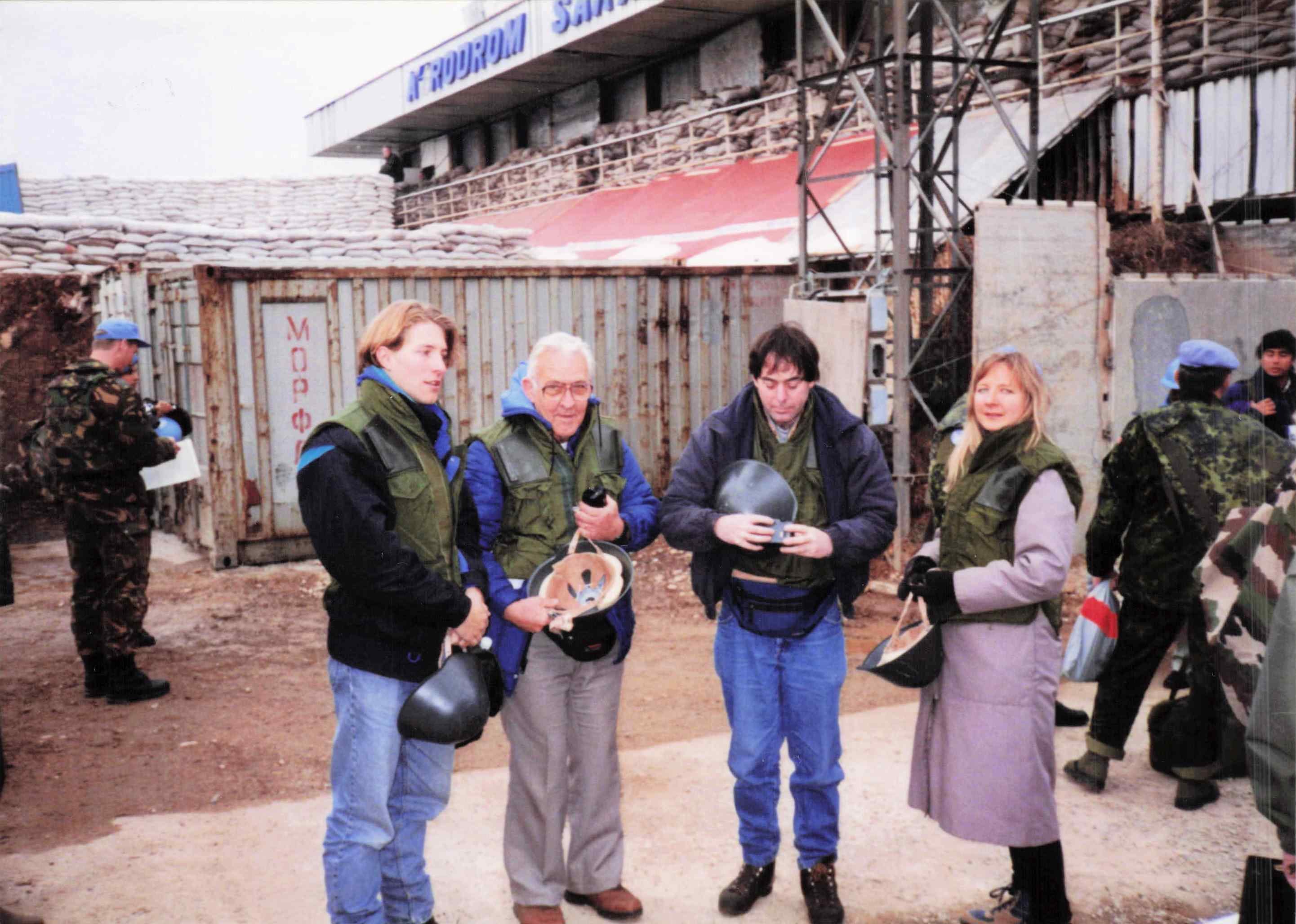
When I was living in Bosnia from 1995 to 1997, we built a series of conflict resolution-based talk radio shows.
Yes. Very idealistic. But we had a solid audience, and we had a format that encouraged common ground seeking.
With a strong host and clear rules, we could create actual conversation that seeks common ground, rather than the cake mix of divisive rage-bait.
I know I’m often told how unrealistically idealistic I am.
But times like these call for a system reboot, a Ctrl+Alt+Delete on how we monitor our elected officials.